India Visa Online Process for Finland Citizens
India Tourist Visa for Finland Citizens allows Finnish travelers to explore India’s rich cultural heritage, historic landmarks, vibrant cities, and diverse landscapes. From the Himalayas to the beaches of Goa, India offers a wide range of unforgettable travel experiences for tourists seeking adventure, spirituality, and cultural discovery.
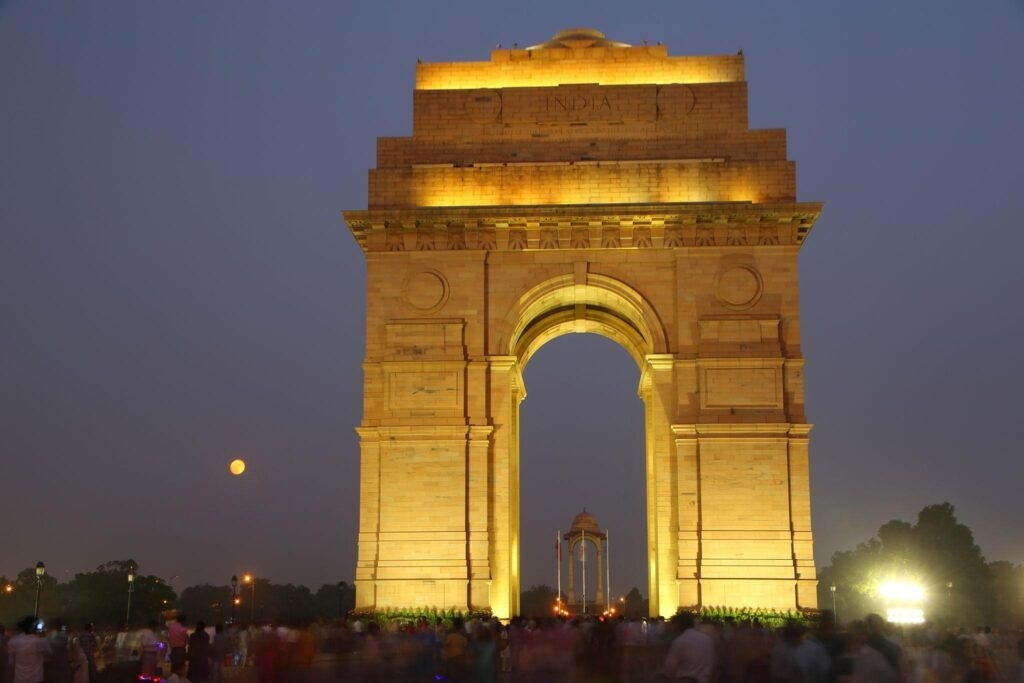
With the India Tourist Visa for Finland Citizens , visitors can enjoy sightseeing in iconic destinations such as Delhi, Agra, Jaipur, and Kerala while experiencing India’s traditions, cuisine, and festivals. This visa makes it easier for Finnish tourists to plan their journey and travel legally for leisure purposes across the country.
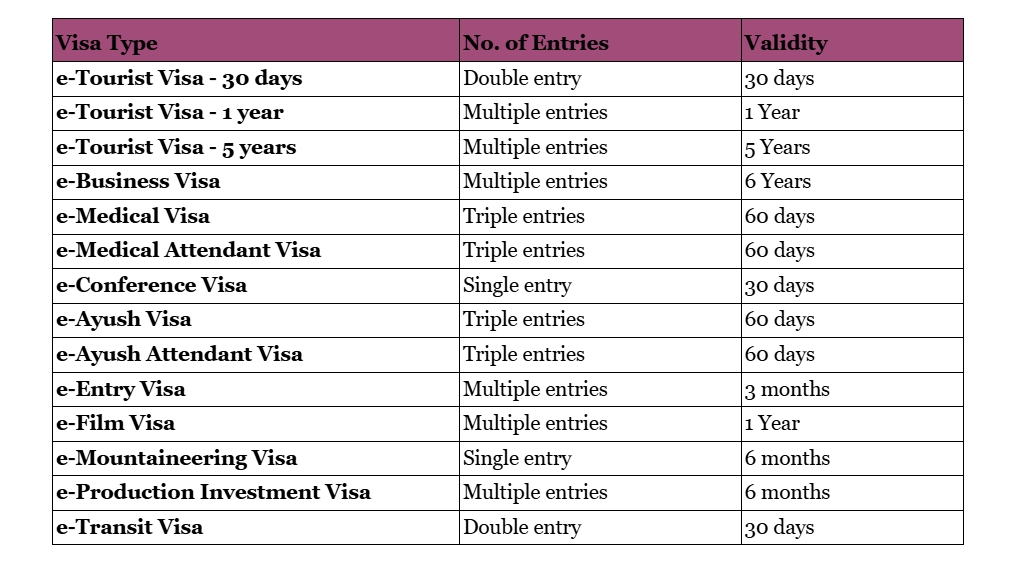
What Are the Available Types of India eVisa for Finland Citizens?
The Indian government offers several sub-categories of the electronic visa (eVisa) system to accommodate various travel purposes. Each type serves a specific intent and has distinct validity periods.
How Is the India Visa Processing Time Calculated?
Once you submit your application and pay the required fees, the processing period begins. Below is the standard timeline for receiving your Electronic Travel Authorization (ETA):
- Normal processing time: Usually takes 3 to 6 days.
- Urgent processing time: Usually takes 1 to 3 days.
What Documents Are Required for an India eVisa Application?
Preparation is key to a successful application. Regardless of the visa category, all applicants must provide:
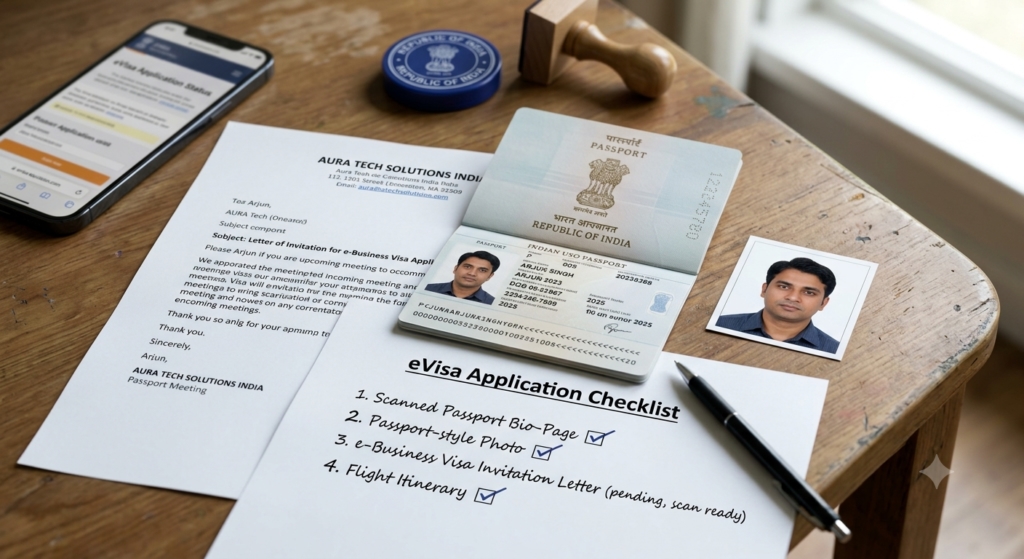
- Passport Copy: A clear, scanned copy of the bio-data page of your passport. Your passport must be valid for at least six months from the date of arrival.
- Photograph: A recent, high-quality digital passport-style photograph with a white background.
Additional documentation may be required based on your visa type:
- e-Medical Visa/e-Ayush Visa: A letter from the concerned hospital in India confirming your treatment and providing a tentative admission date.
- e-Ayush Attendant Visa: The medical eVisa number of the patient is mandatory to process this application.
- e-Business Visa: A business invitation letter from the Indian firm you are visiting, justifying the purpose of your trip.
- e-Conference Visa: A formal invitation letter from the hosting institution, agency, or NGO registered in India.
How Do I Know If I Am Eligible for an India Visa?
Eligibility for an India visa is determined by your nationality, travel purpose, and meeting the required documentation and security criteria set by the Indian immigration authorities.
- Nationality check: Your country must be eligible for an Indian visa or eVisa.
- India eVisa online application for French citizens
- India visa requirements for Gabon passport holders
- India eVisa application guide for Gambia citizens
- India visa processing time for Georgia Citizens
- India eVisa eligibility for Germany Citizens
- Valid passport: Must be valid for at least 6 months from arrival date.
- Purpose of travel: Tourism, business, medical, or other approved reasons.
- Clean travel record: No serious immigration or legal violations.
- Required documents: Proof of travel plans, accommodation, and return ticket.
How to Apply for an India Visa?
Applying for an India visa is a fully online process where you submit your application, upload required documents, pay the fee, and receive an Electronic Travel Authorization (ETA) via email for entry approval.
- Fill application form: Enter accurate personal and passport details online.
- Upload documents: Provide a passport scan and digital photograph.
- Pay visa fee: Complete secure online payment using card methods.
- Receive ETA: Approved visa is sent to your email after processing.
- Print ETA: Carry a copy to present at immigration on arrival in India.
How to Buy a SIM Card in India as a Foreign Tourist?
Buying a SIM card in India as a foreign tourist involves purchasing one from authorized telecom kiosks or stores by submitting your passport, visa, and local address proof for identity verification and activation.
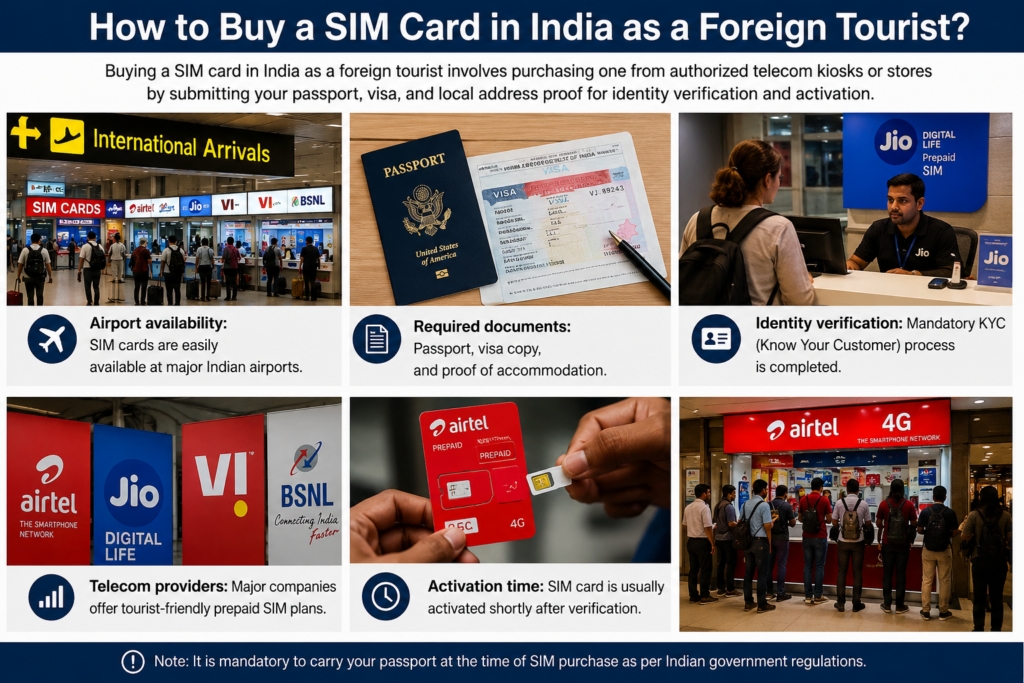
- Airport availability: SIM cards are easily available at major Indian airports.
- Required documents: Passport, visa copy, and proof of accommodation.
- Identity verification: Mandatory KYC (Know Your Customer) process is completed.
- Telecom providers: Major companies offer tourist-friendly prepaid SIM plans.
- Activation time: SIM card is usually activated shortly after verification.
What Is the Difference Between a Digital Arrival Card and an India eVisa?
A Digital Arrival Card is a separate travel form used for entry procedures like immigration or customs, while an India eVisa is the official electronic entry permit that allows you to travel to and enter India.
- India eVisa: Primary entry authorization issued before travel.
- Digital Arrival Card: Additional form for immigration/customs clearance.
- Purpose difference: Visa allows entry; arrival card records travel details.
- Filling time: eVisa is pre-approved, arrival card is filled before or on arrival.
- Requirement varies: Arrival card rules depend on airport or updated regulations.
What Is an e-Medical Attendant Visa for India?
The e-Medical Attendant Visa for India is a special electronic visa issued to close family members or companions who are traveling with a patient holding a valid e-Medical Visa to provide necessary support during treatment.
- Purpose: Allows attendants to accompany medical patients to India.
- Eligibility: Limited to close family members or trusted companions.
- Linked application: Requires the patient’s valid e-Medical Visa number.
- Support role: Meant for caregiving and assistance during treatment.
- Separate visa: Must be applied for independently alongside the patient’s visa.
Do I Need Bank Balance Proof for India Visa Approval?
Bank balance proof is not always mandatory for India visa approval during the initial application, but applicants are expected to have sufficient funds to support their stay in India, and immigration officers may request financial proof such as bank statements or credit evidence at the time of entry to confirm that the traveler can cover their expenses during the visit.
Are There Sustainable Travel Taxes for Visiting India?
India does not impose a nationwide sustainable travel tax for tourists, but some states and eco-sensitive destinations may charge local entry fees or environmental levies to support conservation and manage tourism impact.
- No national tax: India does not have a countrywide sustainable travel tax.
- Local charges possible: Some states may apply entry or tourism fees.
- Eco-sensitive areas: Protected zones and hill stations may have levies.
- Purpose of fees: Used for environmental protection and tourism management.
- Varies by region: Rules differ depending on the destination within India.
What Currency Is Used in India for Tourists?
The currency used in India for tourists is the Indian Rupee (INR), which is the official national currency and is required for most day-to-day transactions, while international cards are accepted in major hotels and cities, making it important for travelers to carry some cash for small purchases and transport during their visit.
- Official currency: Indian Rupee (INR)
- Card payments: Accepted in hotels, malls, and major urban areas
- Cash usage: Needed for small shops, transport, and local vendors
- Exchange services: Available at airports, banks, and exchange centers
- Tourist advice: Carry a mix of cash and cards for convenience
What Is the Penalty for Overstaying an India Visa?
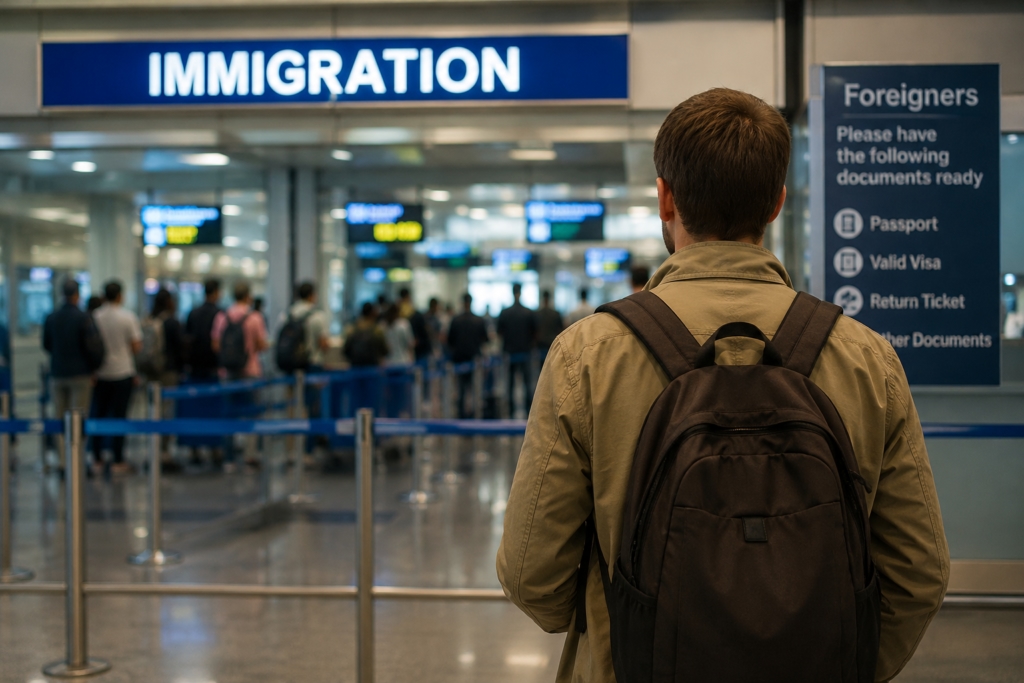
Overstaying an India visa is a serious violation that can lead to fines, legal action, deportation, or restrictions on future travel depending on the length and reason for the overstay.
- Financial penalties: Heavy fines may be imposed for overstaying.
- Travel ban risk: Possible blacklisting from future entry into India.
- Legal action: In serious cases, detention or deportation may occur.
- Case evaluation: Authorities consider duration and reason for overstay.
- FRRO support: Travelers should contact the Foreigners Regional Registration Office (FRRO) if issues arise before visa expiry.
Conclusion:
Traveling to India from Finland is a rewarding experience when you are well-prepared. By utilizing the official online visa portal, ensuring your documentation is accurate and compliant with the specified requirements, and staying informed about local travel norms, you can ensure a hassle-free entry. Remember that the eVisa system is designed for convenience, but it requires diligent attention to detail during the application phase. Once your travel permit is secured, take the time to research your specific destinations to better understand local customs and currency needs. With the right preparation, your journey through the diverse landscapes and cultures of India will be both memorable and seamless.
Comments